NATURAL PHENOMENA
Natural phenomena are events that occur in nature without the direct participation of man. Among these are weather conditions, natural disasters, among others. These directly or indirectly they affect all species.
There is a belief that the term "natural phenomenon" is synonymous unusual event. However, winds, rains and the like are natural phenomena like hurricanes, tsunamis and floods.
A phenomenon of nature can be considered as natural disaster when it is harmful or destructive.
Natural DisastersWhen we use the term disaster, we refer to loss of lives and caused by events such as floods, earthquakes, tsunamis, landslides, deforestation, pollution and other materials.
They are natural phenomena that cause damage and destruction in many ways, adding to the direct or indirect human action.
Here we present an image which shows a natural disaster...

Types of Natural Disasters by origin
Disasters generated inside Earth
Earthquake tremor or earthquake: soil movements are caused by movements of the tectonic plates. Read more.

Volcanic eruption: is an opening or break in the surface of the Earth's crust that allows hot magma, ash and gases to escape from below the surface. It derives from the name of the island of Vulcano off the coast of Sicily which in turn is named after Vulcan, the Roman god of fire. Read more.
 Disasters generated on the surface of the earth
Landslide: happen as a result of sudden or gradual changes in the composition, structure, hydrology or vegetation of sloping ground.The fall of a strip of land that loses its stability or destroy a structure built by man.
Avalanche or landslide: The displacement of a layer of snow, which can drag trees.
 Flurry: A river of mud originated after a heavy rain or snowmelt to cause flooding, or as a result of an earthquake or volcanic eruption.
 Disasters caused by meteorological or hydrological phenomena
Flood: slow or violent invasion of river waters, ponds or lakes, rivers due to heavy rainfall or dam breaks, causing considerable damage.
 Drought: deficiency of moisture in the atmosphere by irregular rainfall or inadequate, inappropriate use of groundwater, reservoirs and irrigation systems.
 Frost: This is a drop in the ambient temperature below the freezing point of water levels and makes the water in the air freezes into ice deposited on surfaces.
 Storm: Violent Movement accompanied by atmospheric electrical discharges, strong wind, rain, snow or hail.
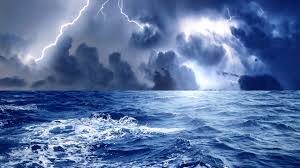 Hail: hail precipitation. This phenomenon occurs when rain falls frozen clouds.
 Tornadoes: A column of air in violent rotation coupled with a storm cloud (cumulonimbus). It is almost always seen as a funnel-shaped cloud. Cause great damage in its path.
 Huracan: it is a storm system characterized by a closed circulation around a center of low pressure and produces strong winds and heavy rain. Read more.
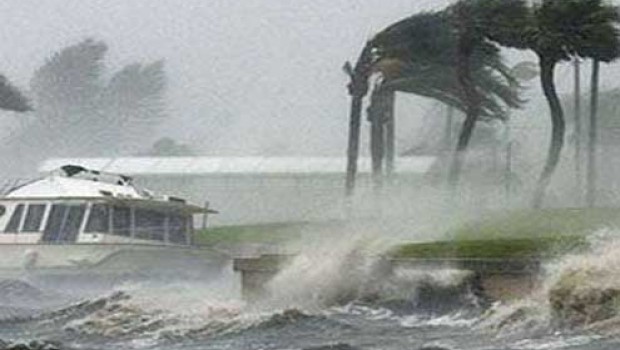 Tropical cyclones: they are violent and dangerous atmospheric disturbances, whose winds can reach speeds ranging from 50 to over 250 km / h. Usually they accompanied by heavy rains and huge waves and storm surges; these features tropical cyclones are extremely dangerous and cause loss of human life, animal and damage to homes, crops and property.
Disaster biological origin
Plague: A situation in which certain animals produce large-scale economic damage (health, crops, domestic animals, materials or natural resources); in the same way that the disease is not the virus, bacteria, etc.
Epidemics: the spread of infectious are a large number of people in a particular place and diseases.
More intense natural disasters that have affected the Dominican Republic.

the title has to be in English too.. good job, your score is 60
ResponderEliminar